Qualitative Research · Systems Strategy
I see what could be.
Often in extraordinary detail. I can see, feel, almost touch it. And once that happens, the difference between the possible and the real is hard to ignore.
My work crosses businesses, organizations, places, and people.
I want to know why things are the way they are—and what it would take to make them something else.
Vision · Insight · Plan
before the strategy
What are we actually trying to make happen?
It’s easy to fall in love with a strategy. Something looks promising, and before long we’re figuring out how to make it work.
But what if the thing we’re trying so hard to accomplish isn’t going to give us what we really want?
Before figuring out how to win, I want to know we’re playing the right game.
The Approach
Vision. Insight. Plan.
01 / Vision
See the future before it exists.
I imagine a future that’s more beautiful, easier, and happier. Not just how it looks, but how it works and what it feels like to live in it. I can see the details before they exist.
02 / Insight
Understand the system at work.
Reality is shaped by underlying systems. I map what’s producing the current results—conditions, constraints, regulations, relationships, behaviors, and external forces.
03 / Plan
Find the leverage point.
I look for leverage points in the existing system where a few changes can produce dramatically different outcomes.
Selected work
Different settings.
Same problem.
How do you get a different response from people who are uninterested, overwhelmed, or simply not inclined to cooperate?
What if we stopped “shoulding” on them and spoke their language instead?
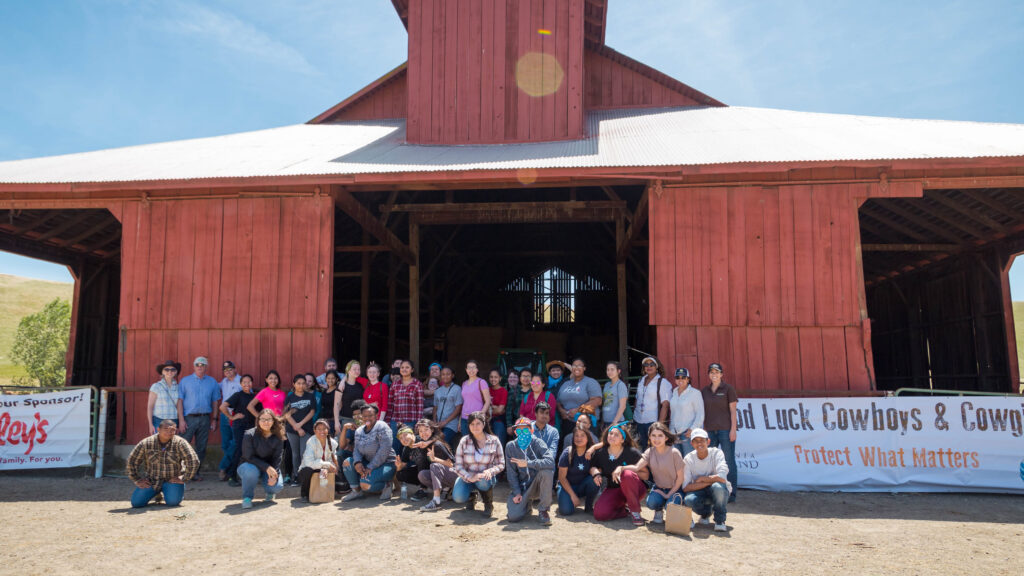
A Conflict of Meaning
What if the message we send isn’t the message received?
From turning volunteers into an R&D team to reaching children through experience, I kept returning to the same question: What makes a message meaningful to the people we’re trying to reach? My graduate research took that question further, examining why the same words can mean very different things to different people.
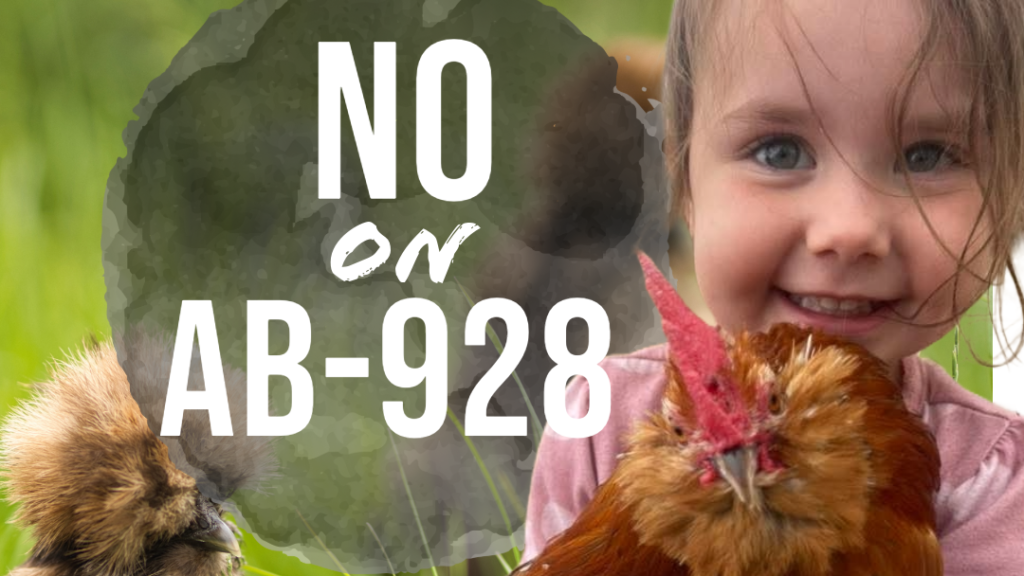
Winning Shadow Games
What if the apparent rules aren’t the rules that matter?
An advocacy campaign where ordinary people had to find their voice, claim their place in the political process, and persuade lawmakers who weren’t inclined to listen. The challenge wasn’t simply changing minds. It was building the confidence and influence to reach them.
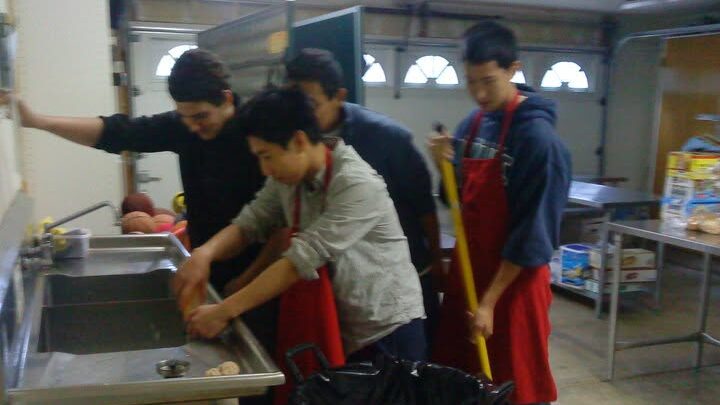
Designing for Behavior
What if design could reduce burnout and increase happiness?
A summer camp kitchen depended on volunteers who were burning out and kids who resented chores. By redesigning the space around the people using it, we made it easier for everyone to contribute confidently, independently, and happily—without constant direction.
Principles
Things shouldn’t be difficult
for stupid reasons.
We’ve all dealt with things that are harder than they need to be. Instructions nobody follows. Procedures that create more work than they save. Spaces that make simple tasks unnecessarily frustrating.
And somehow, instead of fixing what’s making things difficult, we just keep working around it.
Familiarity isn’t evidence that something makes sense.
Can we turn the problem into a resource?
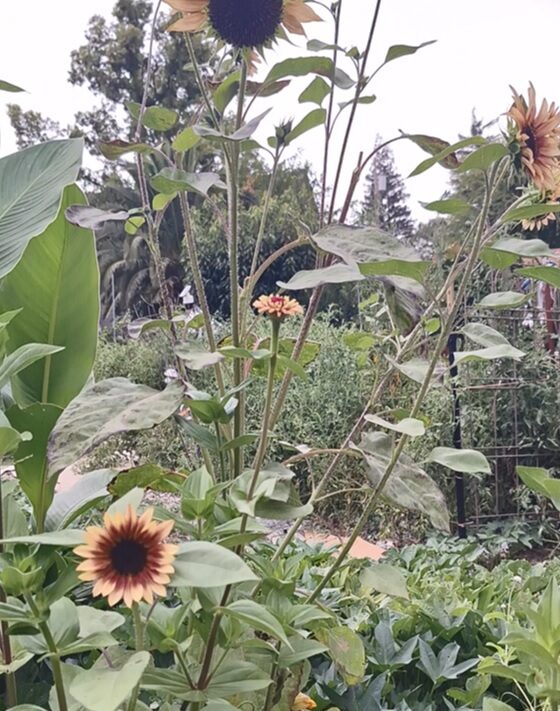
A property I managed had heavy clay soil that water couldn’t penetrate. It flooded every rain and couldn’t support much life.
Rather than redirect the water pouring onto the property, I redesigned the landscape to make use of it—utilizing organic matter, culverts, and vernal pools to improve the soil’s water holding capacity and fertility.
What had been a problem became a resource. The landscape became a productive and beautiful garden that was far less dependent on summer irrigation.
Systems that consume
Exhaust.
They consume more time, labor, and resources just to maintain the status quo.
Systems that build
Energize
They require less intervention over time.
I want things to work better, be more beautiful, and require less time, effort, and money to maintain.
Beauty and Experience
Environment acts on people.
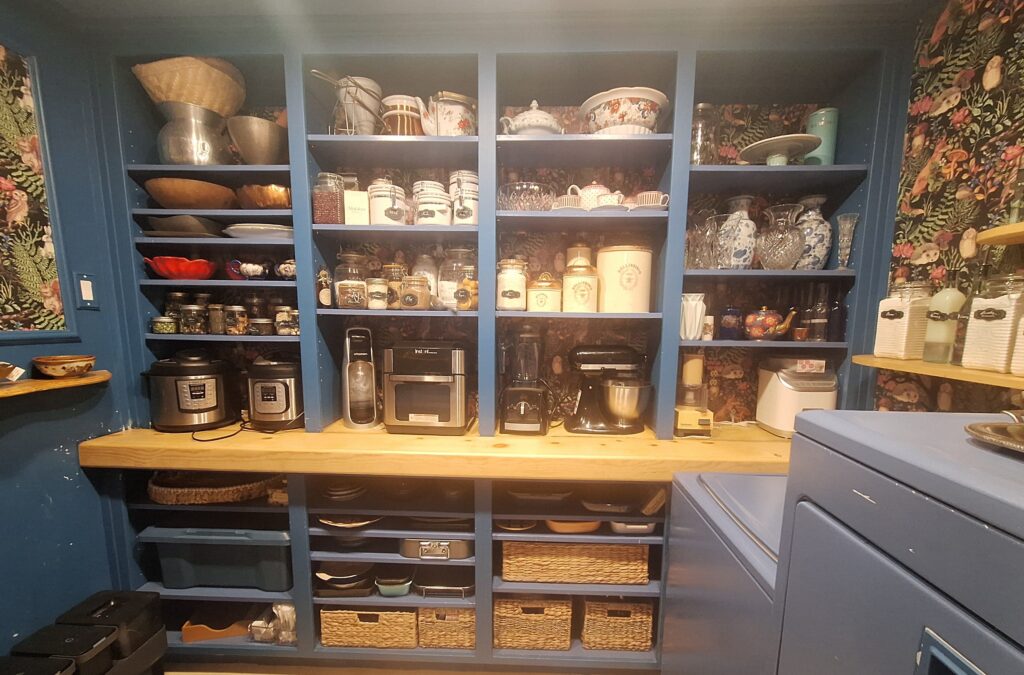
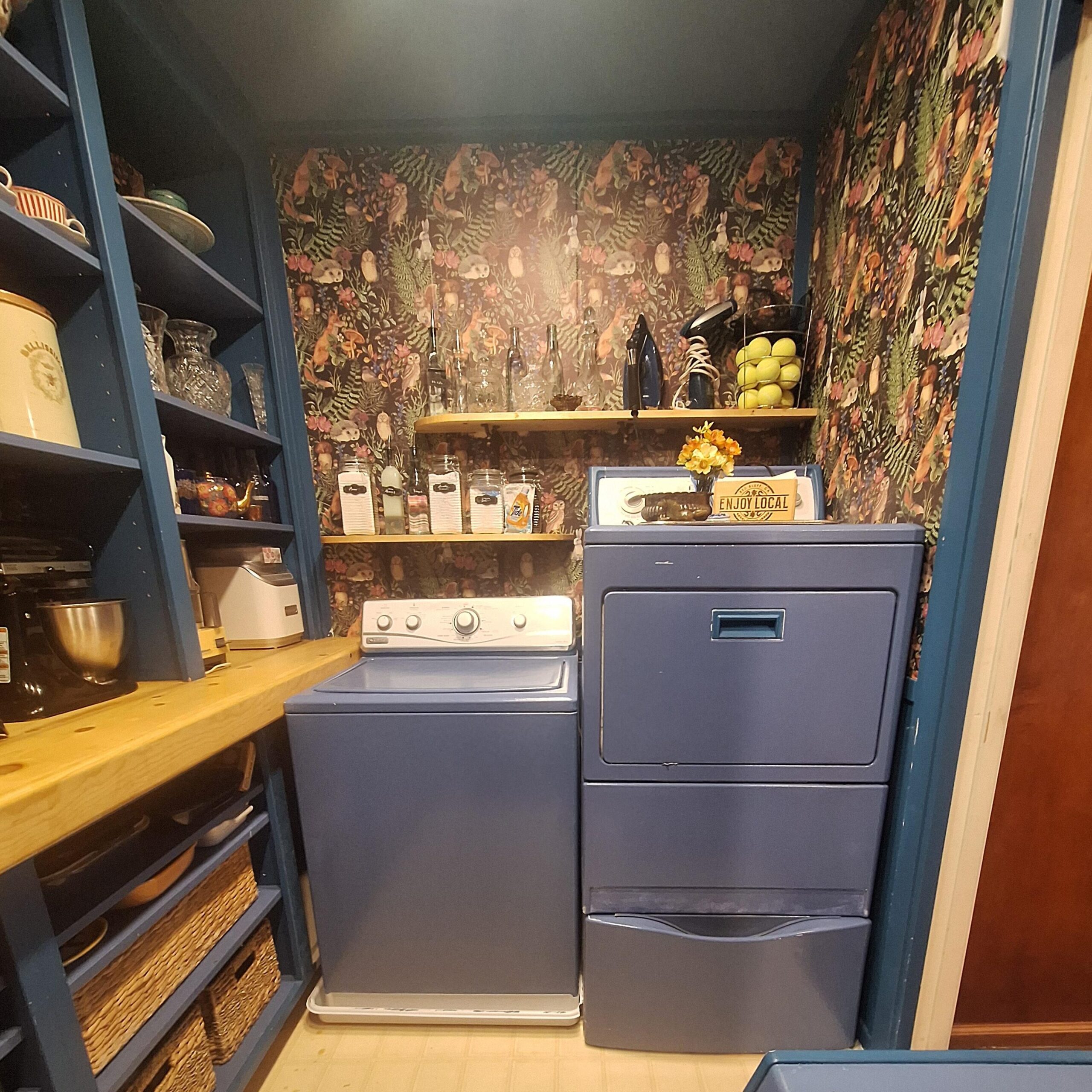
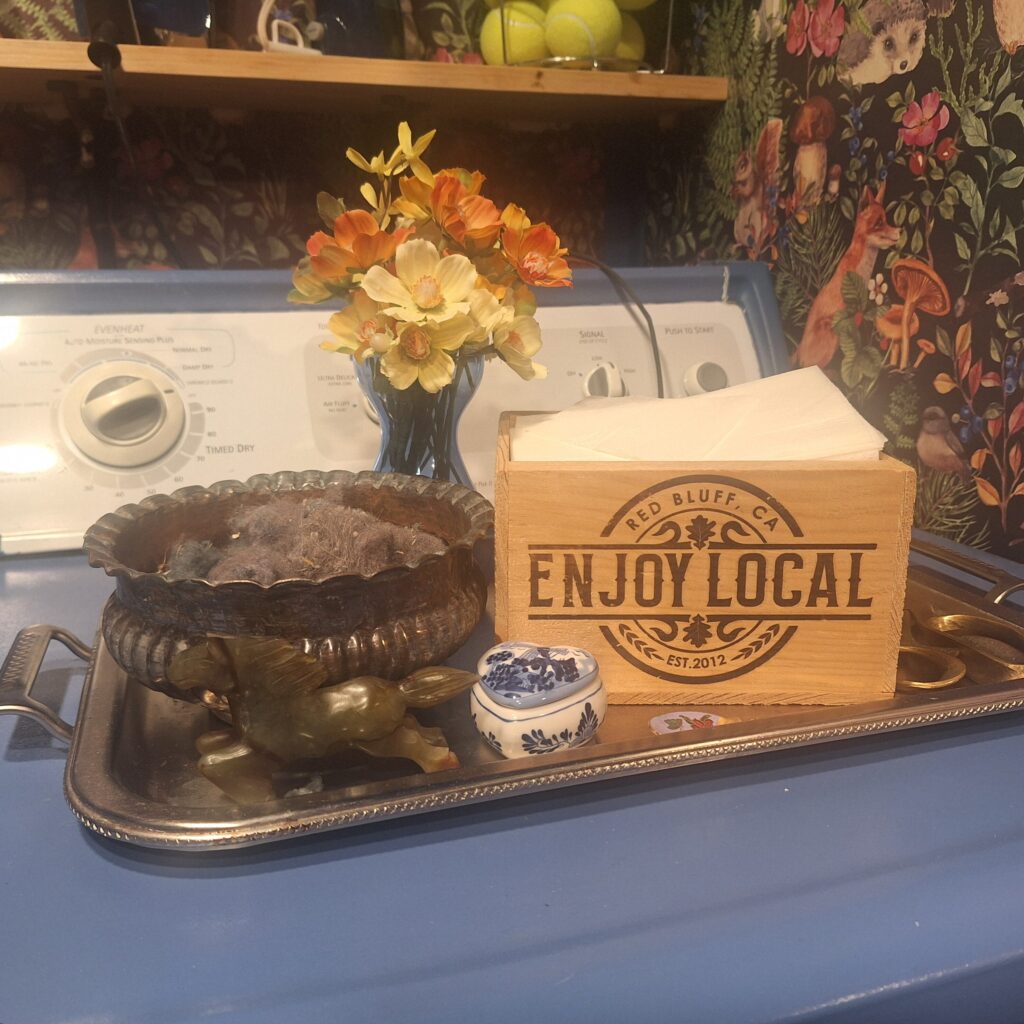
A well-designed kitchen can make volunteers feel capable instead of lost. An orderly pantry can make an everyday task a pleasure. A thoughtfully managed landscape can become more beautiful as it becomes more resilient.
The result should work beautifully—and feel good to live with.
Value of judgment
Are we playing the right game?
There are plenty of brilliant strategies that can move us toward our goals.
But what if there’s a way to accomplish more with less? What small change could produce a disproportionately large result?
Find out before the expensive part begins.
About
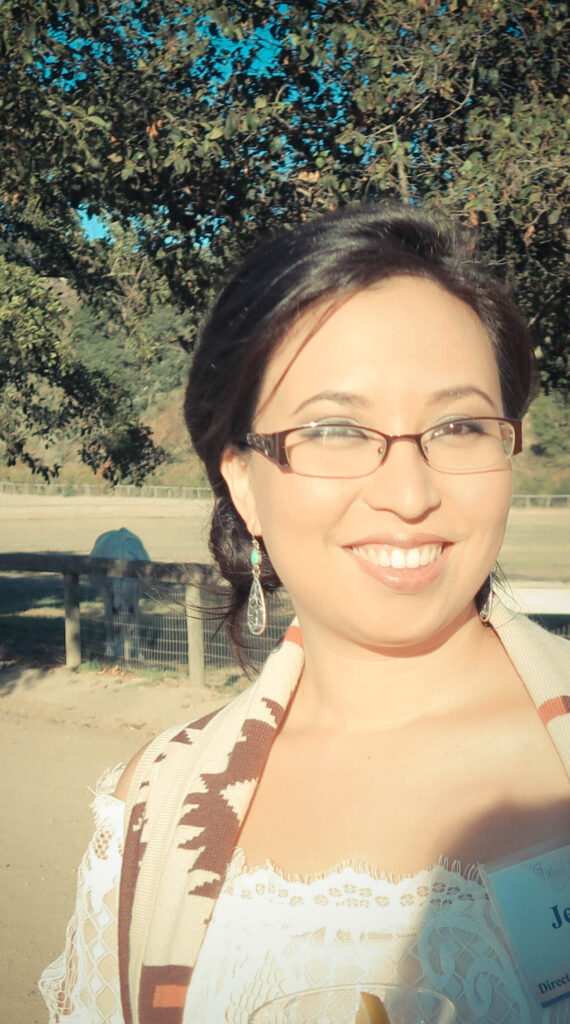
I’m a researcher, strategist, artist, and builder.
I’ve developed communications strategies, organized advocacy campaigns, built and operated businesses, redesigned spaces, and transformed landscapes. I’ve also spent years studying how people think, make decisions, and respond to the world around them.
I’m a nationally recognized watercolor artist whose work celebrates the American West.
M.S. Communication — Purdue University
Graduate Certificate, Strategic Communication — Purdue University
Agricultural Business — Cal Poly, San Luis Obispo
Field Notes
I go places
and look closely.
I see something ugly, frustrating, or unnecessarily difficult, and immediately imagine what it could be instead.
Then I get curious. Why is it this way? What am I missing? And would my beautiful solution actually make things better?
What If Better Isn’t Better?
Neglected flower beds at an apple farm sparked an instant vision of a lush, mature garden. Then I wondered if beauty would hurt their business.
The Illusion of Control
When natural instincts collide, following your own rarely leads to the results you want. On a young horse, it can kill you.
Let’s Talk
Something keeping you up at night?
I’d love to hear about it.